
Afghanistan opened their Asian Games 2026 cricket campaign with a 48-run win over Japan, defending 129/6 before bowling Japan out for 81.
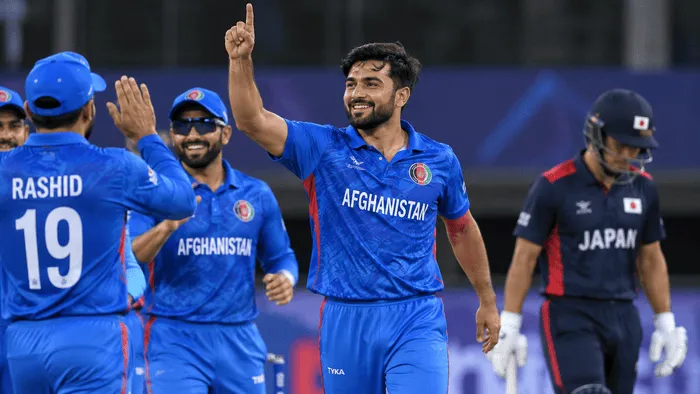
Table of Contents
- Match Summary
- Afghanistan Set 130-Run Target
- Japan Collapse as Afghanistan Take Control
- Turning Point: Japan Lose Seven Wickets for 22 Runs
- Key Performances
- Why Afghanistan Won
- Why Japan Lost
- Key Stats and Records
- Asian Games 2026 Tournament Impact
- What’s Next for Afghanistan and Japan?
- Related Coverage
- FAQs
- Final Verdict
- Sources
Match Summary
Afghanistan opened their Asian Games 2026 campaign with a convincing 48-run victory over Japan at Korogi Sports Park, Nisshin, on September 24. After Japan chose to bowl first, Afghanistan posted 129/6 from their 20 overs and then produced a disciplined bowling performance to dismiss Japan for 81 in 19.3 overs.
Mohammad Akram top-scored for Afghanistan with 34 from 29 balls, while captain Darwish Rasooli made 29 and Mohammad Ishaq finished unbeaten on 25 from 17 balls. Karim Janat also contributed 21 as Afghanistan built a total that ultimately proved beyond Japan’s reach.
Japan made a reasonable start to the chase and reached 59/3 after 10 overs, but Afghanistan’s bowlers tightened the pressure in the second half of the innings. Arab Gul Momand led the attack with four wickets, while Nangyalai Kharote claimed three and Abdullah Ahmadzai took two as Japan were bowled out for 81.
| Match | Japan vs Afghanistan, Asian Games 2026 |
|---|---|
| Venue | Korogi Sports Park, Nisshin |
| Date | September 24, 2026 |
| Toss | Japan elected to bowl |
| Afghanistan | 129/6 in 20 overs |
| Japan | 81 all out in 19.3 overs |
| Result | Afghanistan won by 48 runs |
| Player of the Match | Arab Gul Momand — 4 wickets |
Afghanistan Set 130-Run Target
Afghanistan were put into bat after Japan won the toss and elected to bowl first. The Afghan side responded with a controlled batting display, scoring 129/6 from their 20 overs to set Japan a target of 130 in the Asian Games 2026 opener.
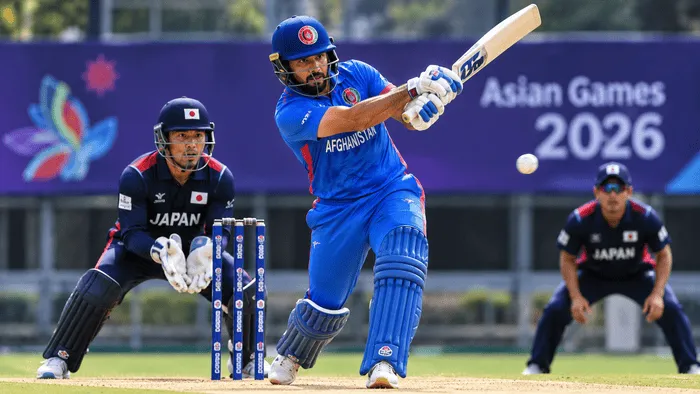
Mohammad Akram provided the foundation at the top of the order with 34 runs from 29 balls. Darwish Rasooli added 29 from 27 balls, while Karim Janat contributed 21 as Afghanistan built their total without allowing Japan to gain complete control of the innings.
Mohammad Ishaq supplied an important late boost, finishing unbeaten on 25 from 17 deliveries. His quick scoring helped Afghanistan finish strongly and gave their bowlers a defendable total on a surface where Japan’s batting later struggled.
| Afghanistan Batter | Runs | Balls |
|---|---|---|
| Mohammad Akram | 34 | 29 |
| Darwish Rasooli | 29 | 27 |
| Mohammad Ishaq* | 25 | 17 |
| Karim Janat | 21 | 23 |
Afghanistan finished on 129/6 after 20 overs, leaving Japan with 130 runs to win. The total became increasingly valuable as Afghanistan’s bowlers took control during the second innings.
Japan Collapse as Afghanistan Take Control
Japan began their chase of 130 with some intent, but Afghanistan’s bowlers steadily took control of the innings. Japan reached 50 in 7.3 overs and were 59/3 after 10 overs, keeping the chase alive during the first half of the innings.
The momentum changed sharply after the 10-over mark. Japan lost their remaining seven wickets for just 22 runs, turning a competitive chase into a collapse. They were eventually bowled out for 81 in 19.3 overs, giving Afghanistan a 48-run victory.
Reo Sakurano-Thomas top-scored for Japan with 23 from 24 balls, while Benjamin Ito made 17 from only eight deliveries. Kendel Kadowaki-Fleming added 14, but Japan could not maintain their early scoring rate once Afghanistan’s attack began taking regular wickets.
Arab Gul Momand was the main threat with the ball, finishing with four wickets for just eight runs from four overs. Nangyalai Kharote took three wickets, while Abdullah Ahmadzai added two as Afghanistan completed the defence of their 129/6 total.
| Japan Batter | Runs | Balls |
|---|---|---|
| Reo Sakurano-Thomas | 23 | 24 |
| Benjamin Ito | 17 | 8 |
| Kendel Kadowaki-Fleming | 14 | 17 |
| Wataru Miyauchi | 9 | 14 |
The result underlined the difference between Japan’s strong start and their finish. After reaching 59/3, they managed only another 22 runs before losing all seven remaining wickets, allowing Afghanistan to close out the match comfortably.
Turning Point: Japan Lose Seven Wickets for 22 Runs
The defining phase of the match came after Japan reached 59/3 at the end of the 10th over. With the chase still within reach, Afghanistan’s bowlers increased the pressure and Japan’s innings quickly fell apart.
Japan lost their fourth wicket at 60/4 in the 10.3rd over when Alex Shirai Patmore was dismissed. Reo Sakurano-Thomas followed for 22 at 60/5, and Charlie Hara Hinze was removed from the next ball. That sequence left Japan at 60/6 and gave Afghanistan complete control of the chase.
The collapse continued as Ibrahim Takahashi and Declan Suzuki departed soon after, leaving Japan 63/8. Abdullah Ahmadzai then dismissed Wataru Miyauchi for nine, reducing Japan to 74/9 before Afghanistan completed the innings at 81 all out in 19.3 overs.
Arab Gul Momand was central to the collapse, finishing with 4/8 from his four overs. Nangyalai Kharote claimed three wickets, while Abdullah Ahmadzai took two, ensuring that Japan could add only 22 runs after reaching 59/3.
| Phase | Japan Score | Key Moment |
|---|---|---|
| 10 overs | 59/3 | Japan remained in the chase |
| 11.6 overs | 60/6 | Three wickets fell around the 60-run mark |
| 13.6 overs | 63/8 | Afghanistan tightened their grip |
| 16.5 overs | 74/9 | Ahmadzai removed Miyauchi |
| 19.3 overs | 81 all out | Afghanistan completed a 48-run win |
The seven-wicket sequence from 60/4 to 81 all out effectively settled the contest. Afghanistan’s ability to keep taking wickets prevented Japan from rebuilding after their promising first 10 overs.
Key Performances
Afghanistan’s victory was built on contributions from both their middle order and bowling attack. Mohammad Akram and Darwish Rasooli provided stability with the bat, while Mohammad Ishaq’s unbeaten 25 gave the innings a late push. With the ball, Arab Gul Momand led the collapse with a four-wicket haul.
Arab Gul Momand Leads the Bowling Attack
Arab Gul Momand was the standout performer with the ball, taking 4/8 from four overs. His spell played a major role in preventing Japan from building partnerships during the second half of the chase.
Mohammad Akram Provides the Platform
Mohammad Akram top-scored for Afghanistan with 34 runs from 29 balls. His innings gave Afghanistan an important contribution at the top and helped establish the platform for the middle-order batters.
Darwish Rasooli and Mohammad Ishaq Add Valuable Runs
Darwish Rasooli scored 29 from 27 deliveries, while Mohammad Ishaq remained unbeaten on 25 from 17 balls. Ishaq’s faster scoring towards the end helped Afghanistan reach 129/6 from their 20 overs.
Nangyalai Kharote Supports the Collapse
Nangyalai Kharote also made a significant impact with three wickets. Alongside Arab Gul Momand and Abdullah Ahmadzai, he helped Afghanistan dismiss Japan for 81 and complete the 48-run victory.
| Player | Performance | Impact |
|---|---|---|
| Arab Gul Momand | 4/8 | Led Japan’s collapse |
| Nangyalai Kharote | 3 wickets | Maintained pressure on Japan |
| Mohammad Akram | 34 runs | Top score for Afghanistan |
| Darwish Rasooli | 29 runs | Added stability to the innings |
| Mohammad Ishaq | 25* off 17 | Provided late-innings momentum |
Why Afghanistan Won
Afghanistan’s 48-run victory came from a combination of a competitive first-innings total and a strong bowling performance during Japan’s chase. The key difference was Afghanistan’s ability to turn pressure into wickets once Japan reached the middle overs.
A Competitive Total of 129/6
Afghanistan recovered well through contributions from Mohammad Akram, Darwish Rasooli, Karim Janat and Mohammad Ishaq. Their 129/6 gave the bowling attack enough runs to defend and ensured Japan had to maintain a steady scoring rate throughout the chase.
Afghanistan Kept Taking Wickets
Japan were still 59/3 after 10 overs, but Afghanistan did not allow the chase to settle. Regular wickets in the second half of the innings broke Japan’s momentum and eventually reduced them to 81 all out.
Arab Gul Momand Changed the Chase
Arab Gul Momand’s 4/8 was the leading bowling performance of the match. Nangyalai Kharote’s three wickets and Abdullah Ahmadzai’s two also contributed to the sustained pressure that finished the game.
Japan Were Unable to Recover After the Collapse
Once Japan lost wickets in clusters, they could not rebuild the innings. Afghanistan’s bowling attack continued to attack the remaining batters and completed the defence of 129 with Japan dismissed for 81 in 19.3 overs.
Why Japan Lost
Japan’s chase showed promise in the opening half, but the innings lost momentum once Afghanistan began taking wickets regularly. The hosts were eventually bowled out for 81, falling 48 runs short of the 130-run target.
The Middle-Order Collapse Changed the Match
Japan reached 59/3 after 10 overs, leaving the chase open. However, they could not build another meaningful partnership after that point. The wickets began to arrive in clusters, leaving the batting side with too much ground to recover.
Japan Could Not Handle Afghanistan’s Bowling Pressure
Arab Gul Momand produced the most damaging spell of the innings with 4/8 from four overs. Nangyalai Kharote also took three wickets, while Abdullah Ahmadzai claimed two, giving Japan very little opportunity to rebuild.
Too Few Runs From the Top Order
Reo Sakurano-Thomas was Japan’s leading scorer with 23, while Kendel Kadowaki-Fleming made 14. Benjamin Ito added a quick 17 from eight balls, but Japan lacked sustained contributions across the innings.
The Final 10 Overs Produced Only 22 Runs
The decisive statistic was Japan’s inability to score after reaching 59/3. They added only 22 more runs before being dismissed for 81 in 19.3 overs. Afghanistan’s consistent wicket-taking meant Japan never regained control of the chase.
Key Stats and Records
Afghanistan’s 48-run victory was shaped by a strong all-round performance, with several numbers highlighting how the match changed during Japan’s chase.
| Stat | Figure |
|---|---|
| Afghanistan score | 129/6 in 20 overs |
| Japan score | 81 all out in 19.3 overs |
| Winning margin | 48 runs |
| Mohammad Akram | 34 off 29 balls |
| Mohammad Ishaq | 25* off 17 balls |
| Arab Gul Momand | 4/8 in 4 overs |
| Nangyalai Kharote | 3/19 in 3.3 overs |
| Japan after 10 overs | 59/3 |
| Japan’s final seven wickets | 22 runs |
Afghanistan’s Bowling Numbers Tell the Story
Arab Gul Momand finished with 4/8 from four overs, including two maidens, while Nangyalai Kharote returned 3/19. Abdullah Ahmadzai added 2/13, giving Afghanistan nine wickets between three of their leading bowlers.
Japan’s Collapse Was the Decisive Statistic
Japan were 59/3 after 10 overs but lost their remaining seven wickets for only 22 runs. That collapse turned a potentially competitive chase into an 81 all-out total and allowed Afghanistan to complete a 48-run victory.
With Afghanistan scoring 129/6 and Japan managing only 81, the final run-rate difference also reflected the contrasting second-half performances. Afghanistan finished at 6.45 runs per over, while Japan’s final scoring rate was 4.15 runs per over.
Asian Games 2026 Tournament Impact
Afghanistan’s 48-run win over Japan gives them an important start to their Asian Games 2026 cricket campaign. The victory came in their opening Group A match and puts them in a strong position heading into their next group fixture.
Afghanistan’s performance was particularly convincing because they recovered from a modest-looking middle phase with the bat before producing a decisive bowling display. Their 129/6 was followed by Japan’s collapse to 81 all out, giving Afghanistan a clear advantage in the opening match.
The result also provides Afghanistan with momentum before their next Group A game against Nepal. According to the Afghanistan Cricket Board, Afghanistan are scheduled to face Nepal on September 25 at 9:30 AM.
| Tournament Detail | Information |
|---|---|
| Competition | Asian Games 2026 |
| Group | Group A |
| Opening Match | Afghanistan vs Japan |
| Result | Afghanistan won by 48 runs |
| Afghanistan Score | 129/6 |
| Japan Score | 81 all out |
| Next Afghanistan Match | Afghanistan vs Nepal |
| Next Match Date | September 25, 2026 |
Afghanistan will now look to carry the same bowling discipline into their next fixture, while Japan will need a stronger batting response in their remaining group-stage matches. The opening result sets up an important contest for the teams as the Asian Games cricket tournament progresses.
What’s Next for Afghanistan and Japan?
Afghanistan now turn their attention to Nepal after opening their Asian Games 2026 campaign with a 48-run win over Japan. Japan, meanwhile, will need to regroup after being bowled out for 81.
Afghanistan Face Nepal Next
Afghanistan’s next Group A fixture is against Nepal on September 25, 2026. The match gives Afghanistan another opportunity to build on their opening victory and strengthen their position in the group.
Japan Look to Bounce Back
Japan will need a better batting performance in their next assignment after their chase of 130 ended at 81 all out. Their early progress to 59/3 showed that they could compete, but the collapse that followed proved costly.
| Team | Next Step | Focus Area |
|---|---|---|
| Afghanistan | Face Nepal on September 25 | Continue winning momentum |
| Japan | Continue their Group A campaign | Improve batting consistency |
Afghanistan’s opening performance gives them confidence heading into the next match, while Japan will be looking for a stronger response after their first outing of the tournament.
FAQs: Afghanistan vs Japan Asian Games 2026
Here are the key questions about Afghanistan’s 48-run victory over Japan in the Asian Games 2026 cricket opener.
Afghanistan defeated Japan by 48 runs in the Asian Games 2026 cricket opener at Korogi Sports Park, Nisshin.
Afghanistan scored 129/6 in their 20 overs after being sent in to bat by Japan.
Japan were bowled out for 81 in 19.3 overs while chasing Afghanistan’s target of 130 runs.
Arab Gul Momand was Afghanistan’s leading wicket-taker with 4/8 from four overs. Nangyalai Kharote also took three wickets.
Mohammad Akram was Afghanistan’s top scorer with 34 runs from 29 balls. Darwish Rasooli scored 29 and Mohammad Ishaq remained unbeaten on 25.
The turning point came after Japan reached 59/3. Japan then lost seven wickets for 22 runs and were eventually dismissed for 81.
Afghanistan’s next Group A fixture is against Nepal on September 25, 2026.
Final Verdict
Afghanistan began their Asian Games 2026 campaign with a 48-run victory over Japan at Korogi Sports Park, Nisshin.
After posting 129/6 in 20 overs, Afghanistan produced a disciplined bowling performance to dismiss Japan for 81 in 19.3 overs. Mohammad Akram’s 34 and Mohammad Ishaq’s unbeaten 25 provided important contributions with the bat, while Arab Gul Momand’s 4/8 led the bowling attack.
Japan were still 59/3 after 10 overs, but Afghanistan’s bowlers prevented the chase from developing further. Japan lost their final seven wickets for only 22 runs, allowing Afghanistan to complete a convincing opening-match win.
Afghanistan will now turn their attention to Nepal in their next Group A fixture on September 25, while Japan will look to respond in their remaining Asian Games 2026 matches.
Sources
Match details, scores, player performances and tournament information were checked against the following sources.
| Source | Information Used |
|---|---|
| Afghanistan Cricket Board | Match result, Afghanistan’s innings, bowling performances and tournament update. |
| CricketWorld Scorecard | Detailed batting figures, bowling figures, fall of wickets and innings progression. |
99ExCh uses these sources to verify match-related information and presents the details in an original editorial format.

1 thought on “Afghanistan Beat Japan by 48 Runs in Asian Games 2026 Opener: Arab Gul Stars”